

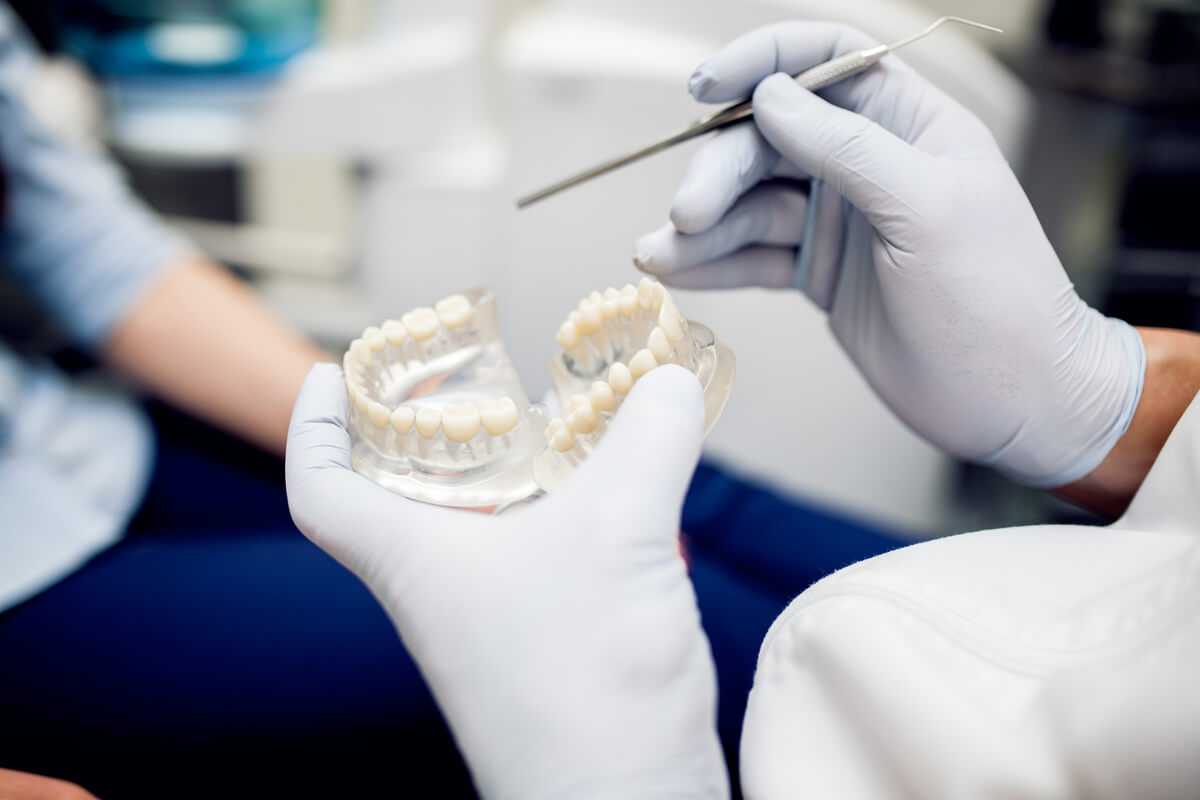
Are you concerned about how much discomfort you might feel during a dental crown replacement? Many patients searching for a dentist near you often worry about the pain and recovery process. Understanding what happens during the procedure, what sensations to expect, and how to care for your mouth afterward can make the experience far less stressful.
Dental crowns are made to fix damaged teeth, protect them from more decay, and help your teeth work properly. Over time, crowns can wear out, chip, or become loose, so they may need to be replaced. Knowing about the process helps patients feel ready and more comfortable during treatment.
What is a Dental Crown Replacement?
A dental crown replacement involves removing an old or damaged crown, assessing the underlying tooth, and placing a new crown. Modern dentistry uses local anesthesia to ensure comfort during the procedure. Most patients report minimal pain, often comparing the sensation to a routine filling.
For patients with dental bridges in SW Calgary, replacing a crown can be a little more complicated. Bridges join several crowns to fill spaces from missing teeth, so the dentist must be careful to keep your bite correct. Even with these extra steps, the process is easy to manage, and most people feel only a little discomfort.
Steps Involved in Crown Replacement
When visiting a dental clinic in SW Calgary for a crown replacement, the procedure typically includes the following steps:
- Check-up and X-rays: The dentist looks at the tooth, crown, and gums to see if there is any damage or decay.
- Take off the old crown: The dentist uses special tools to remove the crown safely without hurting the tooth under it.
- Prepare the tooth: The dentist cleans out any decay and shapes the tooth so the new crown fits perfectly.
- Temporary crown placement: A temporary crown protects the tooth while the permanent crown is being created.
- Permanent crown placement: The custom crown is cemented in place, restoring function, strength, and appearance.
Thanks to anesthesia, most patients feel little to no pain during these steps. Any mild soreness afterward is temporary and manageable.
How Painful is it Really?
Many people worry that getting a crown replaced will hurt, but it usually doesn’t. The dentist near you numbs the area with local anesthesia, and modern techniques keep pain low.
After the procedure, your tooth may feel a little sore or sensitive. This usually goes away in a few days and can be cared for at home. If the crown is part of a bridge, you might feel a bit more soreness, but it’s still easy to handle.
Managing Discomfort After Crown Replacement
Even though crown replacement is generally comfortable, following proper post-procedure care ensures a smooth recovery:
- Take the pain medicine your dentist suggests.
- Eat soft foods for the first 1–2 days.
- Avoid sticky or hard foods that can damage your crown.
- Brush and floss gently around it.
- Rinse with warm salt water to soothe your gums.
These steps help minimize discomfort and support faster healing.
Factors That Can Affect Pain Levels
Several factors can influence the level of discomfort during and after crown replacement:
- Tooth sensitivity: Teeth that are already sensitive or damaged may feel a little more tender.
- Number of crowns: Replacing several crowns or a bridge can take longer and may cause a bit more soreness afterward.
- Personal pain tolerance: Individual pain sensitivity varies. Some patients experience almost no discomfort, while others notice mild tenderness.
- Previous dental work: Teeth that have undergone root canals or other procedures may react differently during replacement.
Overall, most patients report that crown replacement is far less painful than expected, with soreness being mild and short-lived.
Begin Your Journey to Stronger, Healthier Teeth!
Get a strong, healthy, and natural-looking smile with expert dental crown care. Book a consultation at Atlas Dental Centre to learn your options, get advice from the dentist, and enjoy long-lasting results. Start today for a confident, pain-free, and fully restored smile!
FAQs
How long does it take to replace a crown?
Replacing one crown usually takes just one visit. If you need a bridge or several crowns replaced, it may take two visits to make sure they fit and line up correctly.
Can I eat normally after crown replacement?
Yes, you can resume eating, but it’s best to stick to soft foods for the first 24–48 hours. Avoid hard, sticky, or chewy foods that could put extra pressure on the new crown.
How long will my new crown last?
If you take care of your teeth, brush and floss regularly, and visit the dentist often, a crown can last 10–15 years or even longer. It will protect your tooth and help it work well.
Do crowns require special care after placement?
Yes. Brushing twice daily, flossing carefully around the crown, and attending routine dental visits will help prevent damage, decay, or gum problems, ensuring the crown lasts as long as possible.